Heritage Statements
What a heritage statement is, when a council will insist on one, what must be inside it, and how to write one that a conservation officer can actually approve.
14 min readRead
Listed Buildings · Conservation Areas · Traditional Homes · UK-wide
Listed building consent, heritage statements and pre-purchase advice — anywhere in the UK. Message me on WhatsApp and you'll get a straight answer, usually same day.
Free · No obligation · Or call 07377 594087
A Considered Practice
From the earliest pre-application thinking through to handing back the keys, we write the heritage statements, guide the listed building consent, and introduce the sympathetic trades. Country house restorations, single chimney repairs, and everything in between. Independent, plain-spoken, nationwide.
Why Engage Early
The most expensive heritage projects we're asked to rescue are the ones where the design ran ahead of the planning thinking. By the time a refusal lands — or a conservation officer raises a fundamental objection — fees have been spent, programmes have slipped, and the only options left are the painful ones.
Bringing us in at the earliest stage, often before any design work begins, routinely saves clients tens of thousands of pounds in abortive fees, redesign and delay. The initial Zoom is free, and that conversation alone is sometimes all that's required.
Typical exposure on a refused heritage application
What We Do
Buying an old house? Get an honest, traditionally-minded review before you exchange.
See what's coveredFind out what's achievable before a line is drawn — and avoid a costly refusal.
Start earlyHeritage Statements, LBC support and conservation officer dialogue.
Read the guideLime plasterers, stonemasons, joiners and other sympathetic specialists.
How it worksA single calm point of contact from first thought to final handover.
Learn moreNot sure what you need?
Book a free 30-minute Zoom and we'll tell you honestly what your building needs — and what it doesn't. No obligation, no sales pitch.
Free Guides
What a heritage statement is, when a council will insist on one, what must be inside it, and how to write one that a conservation officer can actually approve.
The line between like-for-like repair and works that need consent — with worked examples for windows, roofs, plaster, pointing, heating and rooflights.
How solid walls actually behave, which insulation strategies are safe on traditional fabric, and the retrofit sequence that avoids decay and condensation.
In Their Own Words
A selection of recent commissions, across every scale and grade. Names lightly anonymised out of respect for client privacy.
"Kyle saved us from a refusal we didn't see coming. His pre-application note reshaped the whole scheme — and the consent came through first time."
Mr & Mrs Hartley
Grade II* manor house, Cotswolds
£1.2m restoration
"We just needed a chimney repointed in lime. Kyle found a brilliant local mason within a week, wrote a one-page spec, and the work was beautiful. Total cost: £640."
Eleanor M.
Vernacular cottage, Suffolk
Single point project
"Calm, evidenced, and quietly persuasive in front of the conservation officer. The kind of adviser you actually want in the room."
Studio Halliwell Architects
Grade I parsonage, Norfolk
Design team collaboration
"I'd been quoted £18,000 for chemical damp injections and re-plastering. Kyle spent twenty minutes on a Zoom, told me to fix the gutters and lift the patio. Damp gone within a season."
James W.
Victorian terrace, Bristol
Free consultation
"Kyle's heritage statement was the strongest piece of evidence in the file. The Inspector quoted it back to us in the appeal decision — verbatim."
Penbroke Planning Consultants
Non-designated farmstead, Devon
Appeal — allowed
"Years of quiet, sensible advice. Kyle has guided us through three phases on the cottage, always to budget, never overselling."
The Whitlock family
Wealden hall, Kent
Multi-year stewardship
"The trade he introduced us to for our oak frame repair was exceptional. Genuinely the best craftsperson we've had on site in twenty years of owning old houses."
Lord & Lady C.
Country house estate, Yorkshire
£4m+ phased programme
"Honest, fast, and refreshingly free of jargon. He told us straight that the alterations we wanted weren't going to fly — and saved us from spending £25k on an architect first."
Sophia & Daniel R.
Locally listed villa, South London
Pre-planning advisory
"Kyle saved us from a refusal we didn't see coming. His pre-application note reshaped the whole scheme — and the consent came through first time."
Mr & Mrs Hartley
Grade II* manor house, Cotswolds
£1.2m restoration
"We just needed a chimney repointed in lime. Kyle found a brilliant local mason within a week, wrote a one-page spec, and the work was beautiful. Total cost: £640."
Eleanor M.
Vernacular cottage, Suffolk
Single point project
"Calm, evidenced, and quietly persuasive in front of the conservation officer. The kind of adviser you actually want in the room."
Studio Halliwell Architects
Grade I parsonage, Norfolk
Design team collaboration
"I'd been quoted £18,000 for chemical damp injections and re-plastering. Kyle spent twenty minutes on a Zoom, told me to fix the gutters and lift the patio. Damp gone within a season."
James W.
Victorian terrace, Bristol
Free consultation
"Kyle's heritage statement was the strongest piece of evidence in the file. The Inspector quoted it back to us in the appeal decision — verbatim."
Penbroke Planning Consultants
Non-designated farmstead, Devon
Appeal — allowed
"Years of quiet, sensible advice. Kyle has guided us through three phases on the cottage, always to budget, never overselling."
The Whitlock family
Wealden hall, Kent
Multi-year stewardship
"The trade he introduced us to for our oak frame repair was exceptional. Genuinely the best craftsperson we've had on site in twenty years of owning old houses."
Lord & Lady C.
Country house estate, Yorkshire
£4m+ phased programme
"Honest, fast, and refreshingly free of jargon. He told us straight that the alterations we wanted weren't going to fly — and saved us from spending £25k on an architect first."
Sophia & Daniel R.
Locally listed villa, South London
Pre-planning advisory
A Specialism
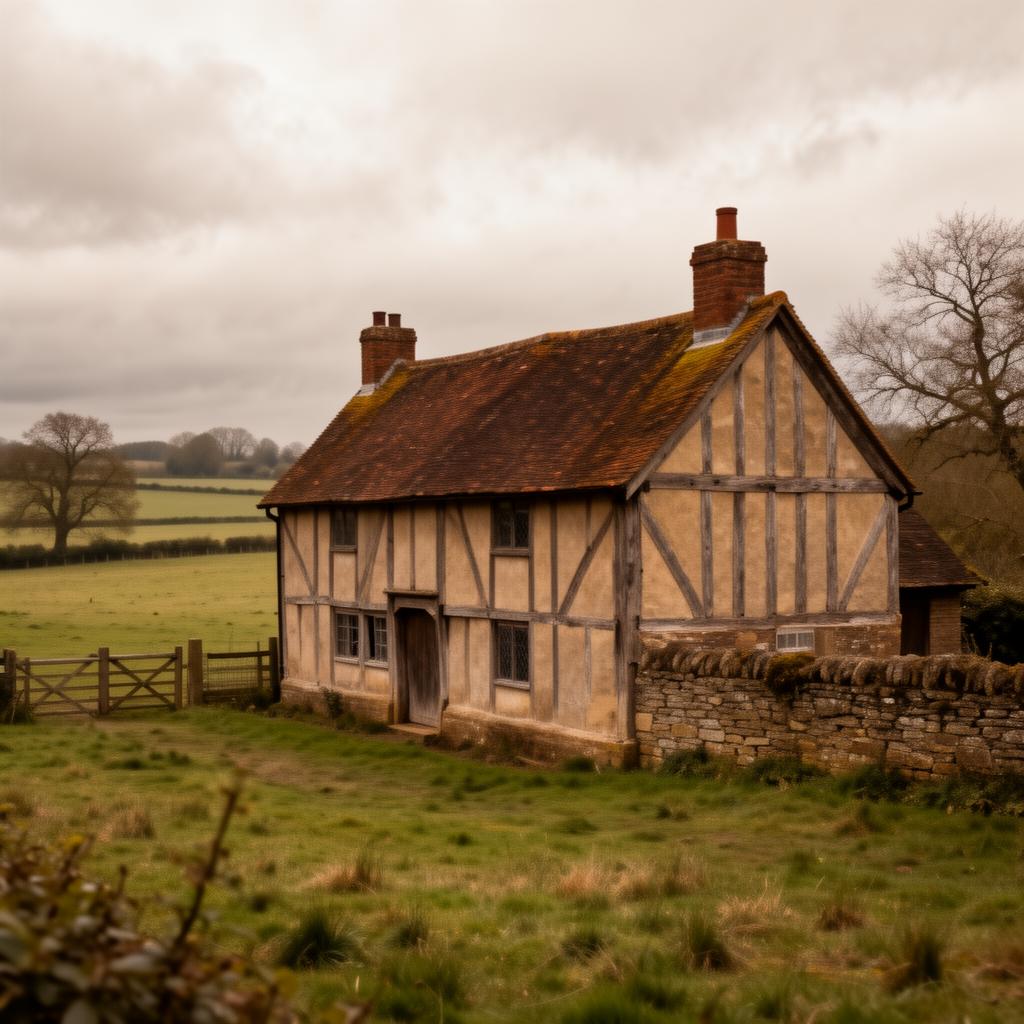
They aren't listed. They aren't always on a local list. Yet paragraph 209 of the NPPF still affords them weight in decision-making — and getting that wrong is the single most common cause of refused heritage applications we see.
This is the work I love most. Untangling local designation, evidencing significance against Historic England's Good Practice Advice, and finding the room within policy that lets a building keep evolving.
Read the full guide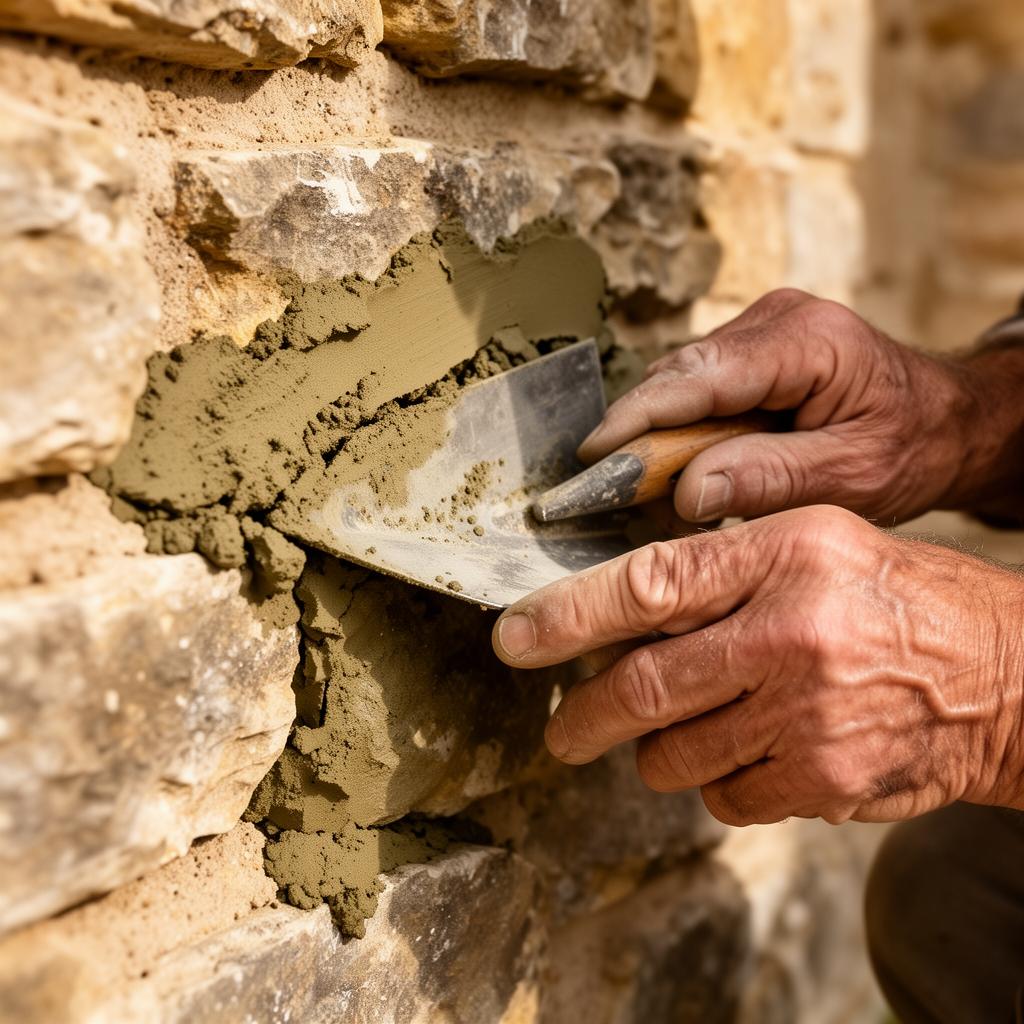
Old Building Fabric
Cement renders, gypsum plasters, injected damp courses and plastic membranes trap moisture in walls that were built to breathe. The result, almost without fail, is accelerated decay of the very fabric they claim to protect — and a remediation bill that dwarfs the original "improvement".
The honest fix is usually simpler — and cheaper — than the modern one. Lime mortar, breathable finishes, sensible ventilation, patience. Often a few hundred pounds where the alternative was several thousand.
How we treat fabricThe Trade Network
Through no fault of their own, most builders, plasterers and decorators trained over the last forty years have had little exposure to traditional construction. Lime, wattle-and-daub, lath-and-plaster, hot-mixed mortars — these are barely a footnote in modern training. When such a tradesperson encounters a 250-year-old cottage, they reach instinctively for the materials they know. Those materials almost always cause harm.
We hold a national network of specialists who took the additional time to learn the older ways — through SPAB scholarships, the Heritage Crafts Association, and years on listed sites. Matched carefully to your building, they cost no more than ordinary trades, and protect the fabric for the next century.
Working in line with guidance from
Begin Quietly
Bring a few photos and your questions. We'll talk through what you're hoping for and suggest a service or package — or simply send you off with sound advice.
Book a Free ZoomPrefer to type? Message on WhatsApp — 07377 594087. Replies within one working day.